
Message
会長挨拶
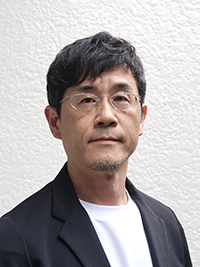
日本アニメーション学会 第15期会長(第5代)
布山タルト(ふやまたると)
東京藝術大学 大学院映像研究科 教授
この度、新たに第15期の会長を拝命した布山タルトと申します。どうぞよろしくお願いします。
私はこれまで副会長や事務局長として、前々会長の小出正志先生や前会長の須川亜紀子先生のもとで学会運営を支えてきました。その間に様々な改革が進められ、会員数も増加傾向にあり、当学会は現在「安定期」に入っていると認識しています。新たに会長の任を引き継ぐにあたり、そうしたこれまで築かれてきた安定を維持しつつも、そこに安住はせず、良い意味での揺さぶりをかけて、学会をさらに活性化させていきたいと考えています。
折しも昨今、国を挙げて日本のアニメーション文化・産業への期待がかつてなく高まる一方、生成AIの普及により研究・制作環境や社会そのものが大きく変化しつつあります。そのような流動的な時代だからこそ、物事の本質を問い直し、私たちの足場となるような基礎的な研究の意義が増していると強く感じています。またそれと同時に、研究のあり方を常に問い直し、アップデートしていく必要もあるでしょう。俳句の世界における「不易流行」の重要性は、研究の世界にもあてはまります。学会運営においても、守りと攻めのバランスのとれた姿勢を目指して参ります。
1998年に設立された当学会には、現在(2026年8月)正会員264名、賛助会員2団体、機関誌購読会員10団体、名誉会員2名がおり、東西2つの支部と、7つの研究部会が自主的に研究活動を行うとともに、学会全体の発表の場としては年1回の大会や、秋の研究集会、そして年1回刊行されている機関誌『アニメーション研究』があります。更に日本アニメーション協会と共催で開催している『インター・カレッジ・アニメーション・フェスティバル』や、文化庁受託事業として構築された『アニメーション研究のための論文・書籍データベース』の運営なども継続的に行っております。
それらに参加する本学会の会員は、教員や大学院生らの大学関係者が半数以上を占める一方、企業やNPO、フリーランスの方々も在籍し、研究分野も非常に多様です。また研究者や教育者だけでなく、アニメーションの実作者も多数おり、海外在住の会員も少なくありません。今後も会員の多様性を保ちながらも、それらが分断化しないように、異なる専門性の学際的な交流、実作者と研究者の交流、産学間の交流など、個々の研究をつなぎ、それらをゆるやかに重ね合わせながら、新たな研究が生まれるセレンディピティを生み出す仕掛けづくりにも取り組みたいと考えています。研究の多様性と自主性を尊重しながら、それぞれが孤立せず、お互いに刺激し合い、支え合う学術コミュニティの形成を促進する――「私の研究」から「私たちの研究」へ、という学会の協働的発展を目指して参ります。
今後も様々な背景や専門性をお持ちの方々が新たに研究の輪に加わり、私たちとともに研究コミュニティを活性化してくださることを、心よりお待ちしています。
The fifth President (2026-)
Taruto Fuyama
Professor, Graduate School of Film and New Media, Tokyo University of the Arts
I am honored to have been appointed President for the 15th term of the Japan Society for Animation Studies (JSAS). I look forward to your continued support.
Having served as Vice President and Secretary-General under my predecessors, Professor Masashi Koide and Professor Akiko Sugawa-Shimada, I have supported the Society through a period of steady reform and growing membership, and I believe JSAS has now entered a stage of stability. As I take up the role of President, I hope to preserve that stability while resisting complacency — introducing a positive kind of disruption to keep the Society moving forward.
We find ourselves in a moment when expectations for Japan’s animation culture and industry, nationwide, have never been higher, even as the rise of generative AI is transforming research and production environments, and society itself. In such a fluid era, the value of foundational research — research that questions the essence of things and gives us solid ground to stand on — grows all the more important. At the same time, we must continually reexamine and update how research itself is practiced. The concept of fueki-ryūkō (不易流行) — the coexistence of the unchanging and the ever-changing, central to the art of haiku — seems just as relevant to research. In managing our society as well, we aim to strike a balance between preserving tradition and embracing innovation.
Founded in 1998, JSAS today (as of August 2026) has 264 regular members, 2 supporting member organizations, 10 institutional journal subscribers, and 2 honorary members. Two regional chapters, East and West, and seven research groups pursue their own research activities, while the Society as a whole provides shared platforms through an annual conference, an autumn research meeting, and its journal, The Japanese Journal of Animation Studies, published once a year. We also continue to run the Inter-College Animation Festival, co-hosted with the Japan Animation Association, and to operate the Database for Animation Studies, developed as a commissioned project of the Agency for Cultural Affairs.
More than half of our members are affiliated with universities as faculty or graduate students, while others come from companies, NPOs, and freelance practice, reflecting a wide range of research fields. Alongside researchers and educators, many members are also creators and practitioners, and a good number live overseas. As we work to preserve this diversity, we also want to guard against fragmentation — building bridges across different areas of expertise, between creators and researchers, and between industry and academia, so that individual research can connect and overlap, creating the kind of serendipity from which new work emerges. Respecting the diversity and independence of each member’s research, we aim to build an academic community where no one works in isolation, but where members inspire and support one another — moving, as a society, from “my research” to “our research.”
We warmly welcome new members from all backgrounds and areas of expertise who wish to join the community of animation studies and help us bring fresh energy to our research community.